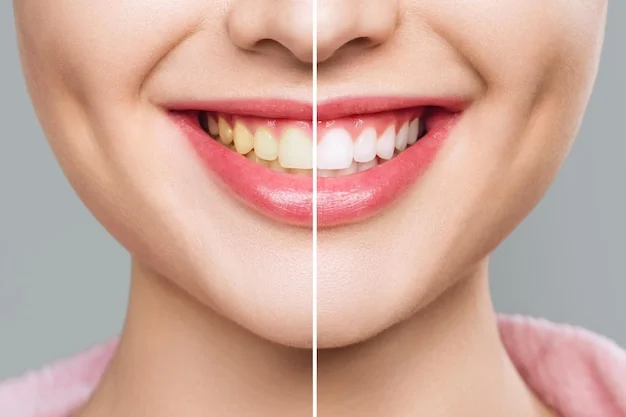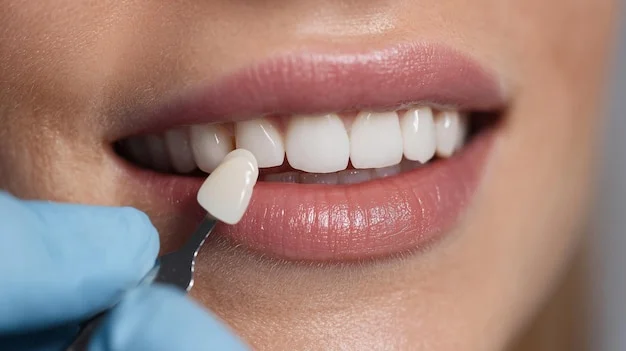
A smile makeover can involve several cosmetic treatments, and dental veneers in Hamilton are one option for changing the colour, shape, size, or overall appearance of teeth. Veneers are thin coverings bonded to the front of teeth and can help conceal stains, chips, small gaps, and uneven tooth shapes. But they are not automatically the best choice for every patient. The right treatment depends on your oral health, goals, and natural teeth.
What Does a Smile Makeover Involve?
A smile makeover is not just one treatment. It is a personalized plan based on your dental needs and goals. It may include teeth whitening, dental bonding, braces or aligners, veneers, or crowns.
Before starting cosmetic treatment, your dentist should check your teeth and gums. If you have cavities, gum disease, bite problems, or other dental issues, these should be treated first. Cosmetic treatments work best when your teeth and gums are healthy.
When Can Veneers Be a Good Option?
Veneers may be considered when several cosmetic concerns affect your smile. They can improve the look of teeth that are:
- Stained or discoloured
- Chipped or worn
- Uneven in shape or size
- Slightly spaced
- Mildly irregular in appearance
Porcelain and composite are the two main types. Porcelain veneers are custom-made and generally offer a natural appearance with good stain resistance. Composite veneers use tooth-coloured resin and may require less enamel removal in selected cases. They can also be easier to repair, although composite is generally less resistant to staining and wear than porcelain.
Are Veneers Always the Best Choice?
Not always. Veneers can create a noticeable improvement in the appearance of your smile, but they are not the right solution for every patient. Traditional porcelain veneers usually require some enamel removal, making treatment generally irreversible. Veneers can also chip, crack, loosen, or wear over time and may eventually need repair or replacement.
A smile makeover should start with the problem you want to solve rather than with a particular procedure. Whitening may be enough when colour is the main concern. Bonding may address a small chip while preserving more natural tooth structure. Orthodontic treatment may make more sense when tooth position is the primary concern. A crown may be considered when a tooth is substantially weakened or damaged.
What Should You Consider Before Choosing Veneers?
Before looking for dental veneers near you, consider both your cosmetic goals and long-term oral health. Ask your dentist:
- How much natural tooth structure needs to be removed?
- Which material is being recommended and why?
- What alternatives could address the same concern?
- What care will the veneers require?
- What happens if one becomes damaged?
Teeth grinding or clenching can also place extra pressure on veneers. If you have this habit, your dentist may assess your bite and discuss ways to protect your teeth.
How Do You Know Which Treatment Is Right?
A consultation with a qualified dentist in Hamilton can help you compare options rather than choosing veneers based solely on photographs or online examples. Your dentist can examine your teeth, gums, bite, and existing dental work and explain what each treatment can realistically change.
The goal should be more than simply creating whiter or more uniform teeth. Good planning considers your natural tooth structure, oral health, bite, appearance, and long-term maintenance.
Start Your Smile Journey
At Gore Park Dentistry, patients can discuss their smile goals and learn about cosmetic options suited to their individual needs. A consultation can help you understand whether veneers or a more conservative treatment may be appropriate and what the process and costs involve.
Frequently Asked Questions
Can veneers fix crooked teeth?
Veneers can sometimes make mildly irregular teeth look more even, but they do not move teeth into a new position. If alignment is the main concern, orthodontic treatment may be more appropriate.
Are veneers permanent?
Veneers are long-term restorations, but they are not guaranteed to last forever. They can become damaged or worn and may eventually require repair or replacement. Traditional veneer preparation is also generally irreversible because some enamel is removed.
Can I get veneers if I grind my teeth?
Grinding can increase stress on veneers. Your dentist should evaluate your bite and grinding habits before deciding whether veneers are suitable. A protective appliance may sometimes be recommended.
How should I choose a dentist for veneers?
Choose a licensed dentist who assesses your oral health, explains your options, and outlines the risks, costs, and post-care for veneers. Make sure you have enough information to make the right decision for you. If you are looking for a dentist near you, focus on how well they explain the treatment and plan your care, not just on the results they advertise.